Source White Round Head Safety Pin With Adhesive Tape for Packaging
Find and compare 30 listings for white round head safety pin with adhesive tape. These fasteners are suitable for general industry applications, offering options in stainless steel with various finishes like zinc plating or galvanized surfaces to meet specific sourcing needs.
Key considerations
Products List


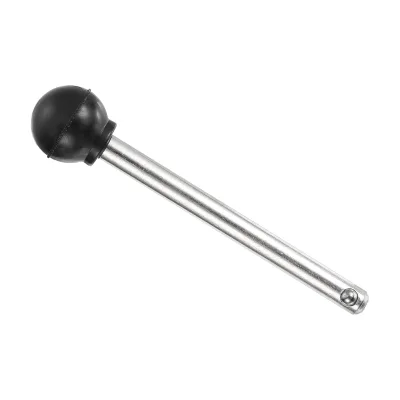
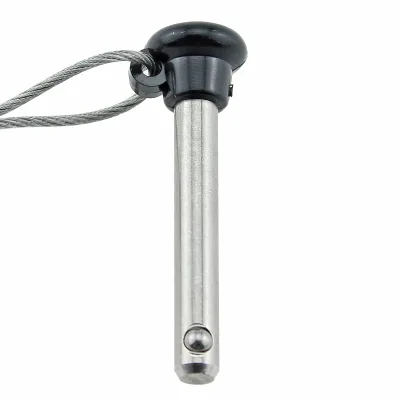
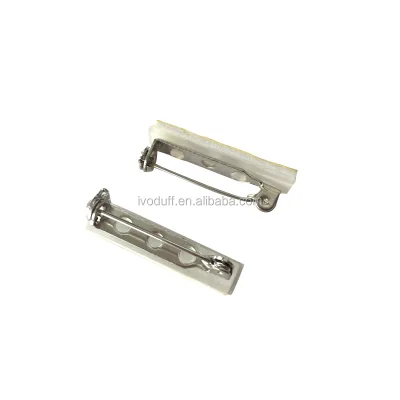


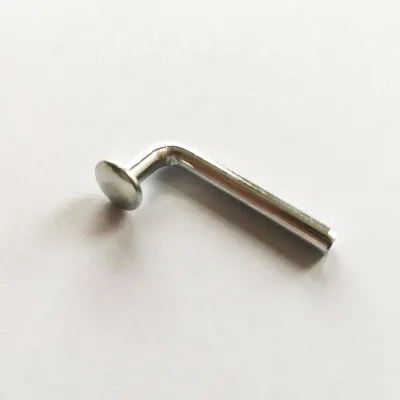



Comprehensive Sourcing Guide
White Round Head Safety Pin With Adhesive Tape Sourcing Guide
Procuring white round head safety pins with adhesive tape requires distinguishing between standard mechanical fasteners and specialized adhesive variants. The supplied data confirms the existence of safety pins with adhesive features, specifically noting a product named "Safety Pin With Adhesive" with a round head shape and silver color options. Buyers must verify if the specific "white" finish is available as a standard option or requires a custom order, as the observed listings primarily highlight silver, black, and other colors. This distinction is critical because adhesive applications often demand specific surface treatments to ensure the tape bonds effectively to the pin head without compromising the metal integrity.
When evaluating suppliers, it is essential to cross-reference the "Safety Pin With Adhesive" listing against the broader category of quick-release and safety pins. The market data indicates a diverse range of models, including those with double wires and square shapes, which are distinct from the round head adhesive variant. Buyers should explicitly request samples to confirm the adhesive quality and the specific color accuracy of the white finish. Without physical verification, there is a risk of receiving standard pins that lack the necessary adhesive backing or possess a color that deviates from the required white specification for branding or visibility purposes.
Product Scope and Observed Listing Signals
The product scope for white round head safety pins with adhesive tape is defined by specific attributes found in the current market listings, such as the "Safety Pin With Adhesive" model. These items are characterized by a round head shape and are often associated with general industry applications. The observed data suggests that while adhesive versions exist, they may be part of a broader catalog that includes non-adhesive quick-release pins and standard safety pins. Buyers should expect to find variations in size, with some listings indicating standard lengths like 40mm, while others offer customized lengths to meet specific operational needs.
Listing signals indicate that customization is a key differentiator for this product category, with some suppliers offering custom sizes and finishes. The presence of "Customized" attributes in the data suggests that buyers can request specific modifications, such as altering the adhesive strength or the pin length. However, the standard offerings often come in fixed sizes like 4.5-11mm or 40mm, which may not perfectly align with every application. It is vital to scrutinize the product name and model number to ensure the adhesive feature is explicitly included, as many listings describe standard mechanical pins without any adhesive component.
Technical Specifications to Verify
Technical verification must begin with the head shape and the adhesive mechanism, ensuring the round head design is compatible with the intended surface. The supplied facts confirm a "Round" head shape for safety pins with adhesive, but buyers must confirm the adhesive type and its durability under various environmental conditions. Since the data mentions "Clean" finishes and "Bright (Uncoated)" options, the surface preparation of the pin head is crucial for the adhesive to bond correctly. Buyers should request detailed specifications on the adhesive composition to ensure it does not degrade or leave residue that could interfere with the pin's function.
Size and material specifications are equally critical, as the data lists sizes ranging from 4.5mm to 11mm and lengths up to 40mm, with options for customization. The material is typically stainless steel, which offers corrosion resistance, but the specific grade must be verified to ensure it meets the application's durability requirements. Additionally, the "Double Wire" feature found in other product listings is not present in the adhesive variant, so buyers must confirm that the single-wire design of the adhesive pin provides sufficient tensile strength. Verifying the exact model number, such as HH-2932 or similar, helps in tracing the specific technical parameters of the adhesive version.
Compliance and Safety Documentation
Compliance documentation for safety pins with adhesive tape should focus on material safety and adhesive toxicity, particularly if the pins are used in environments where they might contact food or skin. While the data lists certifications like ISO, RoHS, and CE for general wire lock pins, buyers must confirm if these certifications extend to the adhesive component of the safety pin. The adhesive tape must be free from harmful substances, and the supplier should provide a Material Safety Data Sheet (MSDS) to verify compliance with relevant chemical regulations. Without this documentation, there is a risk of non-compliance in industries with strict safety standards.
Safety standards for the mechanical integrity of the pin are also essential, even when an adhesive feature is added. The data references standards like DIN11023 for certain pin models, which buyers should check for applicability to the adhesive variant. If the pin is intended for use in general industry, it must meet the structural requirements of safety pins to prevent accidental release or failure. Buyers should request test reports that validate the shear strength of the adhesive and the tensile strength of the pin itself. Ensuring that the product meets both mechanical and chemical safety standards is a prerequisite for safe procurement.
Cost Drivers and Commercial Terms
Cost drivers for white round head safety pins with adhesive tape include the complexity of the adhesive application and the customization of the pin dimensions. The data indicates that customization is available, which often incurs higher unit costs compared to standard off-the-shelf items. Additionally, the material cost of stainless steel and the specific finish, such as bright or uncoated, contribute to the final price. Buyers should anticipate that smaller order quantities may result in higher per-unit costs, as the data shows a minimum order quantity (MOQ) of 1000 pieces for some adhesive variants.
Commercial terms and payment structures are significant factors in the procurement process, with the data suggesting terms like "Tt30% Advanced Payment, The Balance at Sight of B." Buyers must negotiate these terms carefully to manage cash flow and mitigate risk. The delivery time of 7-15 workdays is a standard expectation, but lead times can vary based on the level of customization required. Packaging details, such as 20-25kg per carton, also influence shipping costs and logistics planning. Understanding these commercial variables helps in budgeting accurately and ensuring a smooth supply chain operation.
Supplier Qualification and Quality Control
Supplier qualification for adhesive safety pins requires a thorough assessment of their manufacturing capabilities and quality control processes. The data lists brands like Honghao and Ivoduff, indicating that established manufacturers are available in the market. Buyers should verify the supplier's experience with adhesive applications, as this is a specialized process that differs from standard pin manufacturing. Checking for ISO certifications and other relevant quality standards is essential to ensure that the supplier maintains consistent production quality. A supplier with a proven track record in producing adhesive fasteners is more likely to deliver reliable products.
Quality control measures must include rigorous testing of the adhesive bond strength and the pin's mechanical properties. Buyers should request a quality assurance plan that outlines the inspection steps for each batch of adhesive safety pins. The data mentions that samples are available, which is a critical step for verifying product quality before placing a large order. Inspecting the samples for color accuracy, adhesive consistency, and head shape is necessary to ensure the product meets the buyer's specifications. Establishing a clear quality control protocol with the supplier helps prevent defects and ensures that the final product performs as expected in the field.
Long-Term Procurement Checks
Long-term procurement checks for white round head safety pins with adhesive tape involve monitoring the consistency of the adhesive performance over time. Buyers should establish a schedule for periodic re-testing of the adhesive bond strength to ensure it has not degraded due to storage conditions or age. The data indicates that the product origin is China, so buyers must consider the potential impact of supply chain disruptions on the availability of these specialized items. Maintaining a relationship with a reliable supplier who can provide consistent quality and timely deliveries is crucial for long-term success.
Inventory management and demand forecasting are also key components of long-term procurement strategies. Since the data shows a wide range of sizes and customization options, buyers should maintain a flexible inventory strategy to accommodate changing needs. Regularly reviewing the supplier's performance against the agreed-upon terms, such as delivery time and payment conditions, helps in identifying any potential issues early. Additionally, staying informed about new standards or regulations that may affect the use of adhesive safety pins ensures that the procurement strategy remains compliant and effective. Continuous evaluation of the supplier relationship is essential for maintaining a stable supply chain.
FAQs
What materials are used for white round head safety pins?
The pins are manufactured from stainless steel to ensure durability and corrosion resistance. This material choice supports long-term use in general industry applications. The surface finish is typically bright and uncoated, maintaining the natural metallic appearance while providing necessary structural integrity for secure fastening tasks.
Can these safety pins be customized for specific needs?
Yes, customization is available for these safety pins to meet specific operational requirements. Buyers can request tailored specifications beyond standard models. This flexibility allows for precise adaptation to unique industrial or commercial applications, ensuring the product aligns perfectly with the intended use case and performance expectations.
What certifications do these safety pins hold?
These safety pins hold ISO, GS, RoHS, and CE certifications. These credentials verify compliance with international quality and safety standards. Such certifications provide assurance regarding manufacturing processes and product safety, making them suitable for regulated industries and ensuring they meet rigorous global market requirements for industrial components.
What is the typical delivery time for orders?
The typical delivery time is 7-15 workdays after order confirmation. This timeframe allows for efficient production and logistics planning. Buyers should account for this period when scheduling project timelines. Expedited options may vary, so confirming specific lead times with the supplier is recommended for urgent procurement needs.
How are these pins packaged for shipment?
Pins are packed in cartons weighing 20-25kg, then palletized for secure transport. This packaging method protects the items during transit and facilitates easy handling. The palletized configuration ensures stability and efficiency in loading and unloading processes, minimizing the risk of damage and streamlining warehouse operations for bulk orders.
What is the minimum order quantity for these pins?
The minimum order quantity is 1000 pieces. This threshold ensures efficient production runs and cost-effective pricing for buyers. Orders below this quantity may not be accepted or could incur different pricing structures. Buyers should plan their procurement volumes accordingly to meet the supplier's minimum requirements for standard processing.